Compare Local Contractors for House Drainage Installation Services
Compare local contractors for house drainage installation to define project scope, verify experience, and set clear expectations for a successful outcome.
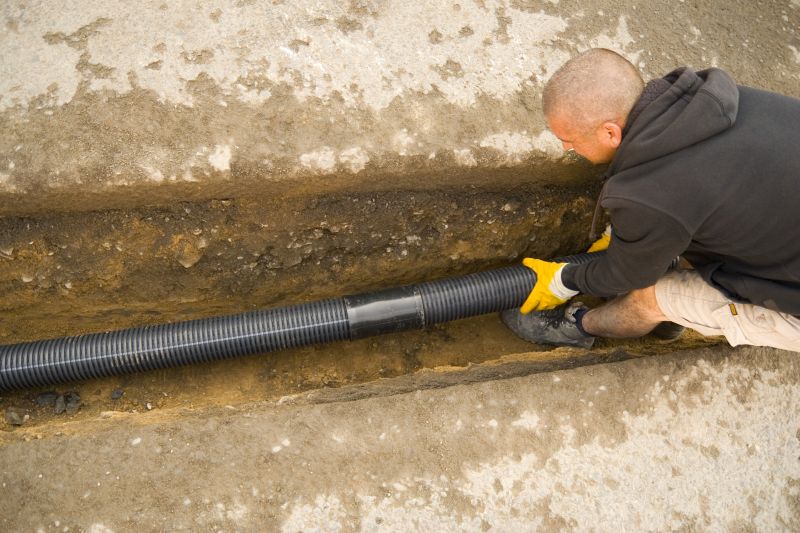
House drainage installation involves a range of tasks aimed at ensuring proper removal of wastewater from a property. This work typically includes designing and installing underground piping systems, such as main sewer lines, drain pipes for sinks, toilets, and appliances, as well as stormwater management features. Contractors may also handle the integration of drainage systems with existing infrastructure, ensuring that water flows efficiently and reduces the risk of flooding or water damage. Proper installation is essential for maintaining a healthy, functional home environment and preventing costly issues down the line.
Clearly defining the scope of drainage work is important because it helps property owners understand what services are included and sets expectations for the project. A comprehensive scope might specify the areas to be drained, types of pipes and materials to be used, and any additional features like sump pumps or catch basins. Having these details in writing can prevent misunderstandings and ensure that both parties agree on the work to be performed. It also helps in assessing whether a contractor’s expertise aligns with the specific needs of the property, leading to a more successful and efficient installation.
Property owners can compare local contractors for drainage installation by examining their experience with similar projects, verifying references or past work, and reviewing the scope of services offered. It’s useful to ask for detailed proposals that outline the tasks involved and the materials to be used, which allows for more accurate comparisons. Additionally, considering how each contractor approaches project planning, communication, and problem-solving can provide insight into their professionalism and reliability. Taking the time to evaluate these factors helps ensure that the selected service provider is well-equipped to handle the complexity of house drainage systems and can deliver results that meet the property’s specific requirements.
Compare local contractors by outlining your project priorities, verifying experience, and clarifying expectations in writing.
- Compare Service Providers - evaluate multiple local contractors to find the best match for house drainage installation needs.
- Define Project Scope - clearly outline the work requirements to ensure all parties understand the expectations.
- Verify Experience - review the background and past work of local contractors to assess their expertise.
- Document Agreements - put project details and expectations in writing to promote transparency and accountability.
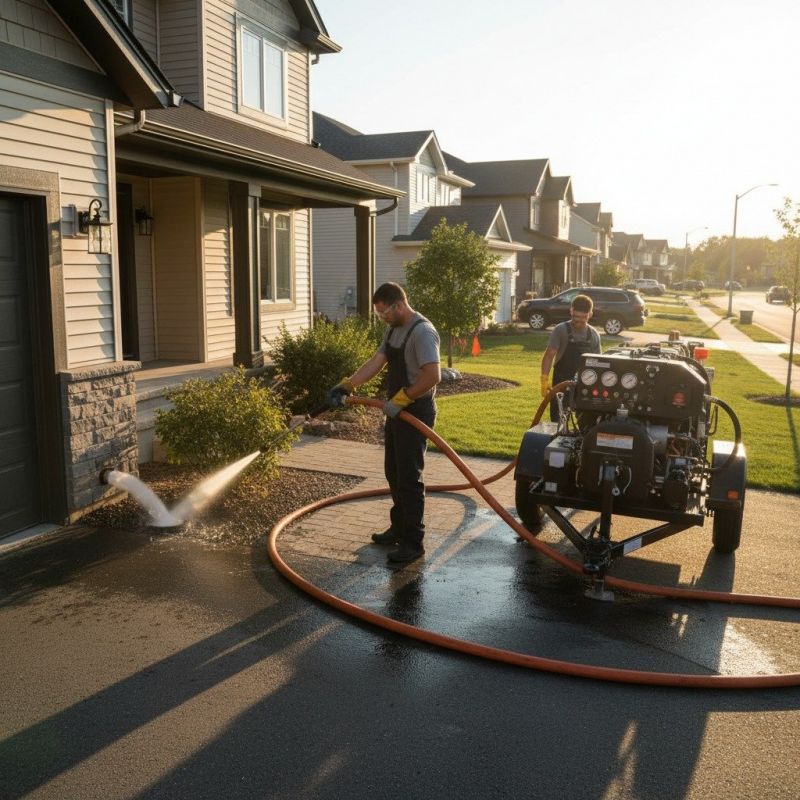
Clearly describe your house drainage project to compare local contractors, verify experience, and set expectations in writing.
- Verify the contractor's experience with house drainage system installations to ensure familiarity with local building codes and soil conditions. - Ensure scope of work is clearly defined in writing, including specific drainage components and areas to be addressed.
- Check that the contractor provides detailed project plans and specifications to facilitate accurate comparison and understanding of the work involved. - Confirm that the service provider has a proven track record of completing similar drainage projects successfully.
- Assess the contractor’s ability to explain their proposed drainage solutions and installation methods clearly and thoroughly. - Ensure all expectations, responsibilities, and project deliverables are documented before work begins.
- Compare multiple local contractors to evaluate differences in approach, experience, and scope coverage for house drainage installation. - Look for references or reviews that highlight reliability and quality of previous drainage system installations.
- Confirm that the contractor adheres to safety standards and uses appropriate equipment during installation to prevent future issues. - Make sure the scope and expectations are finalized in a written agreement before any work commences.
Compare local contractors’ experience and clarify project scope to ensure smooth house drainage installation.
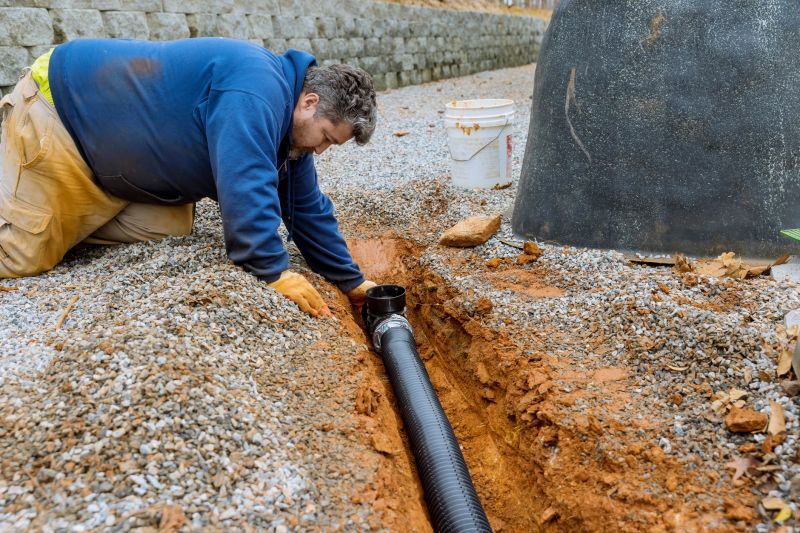
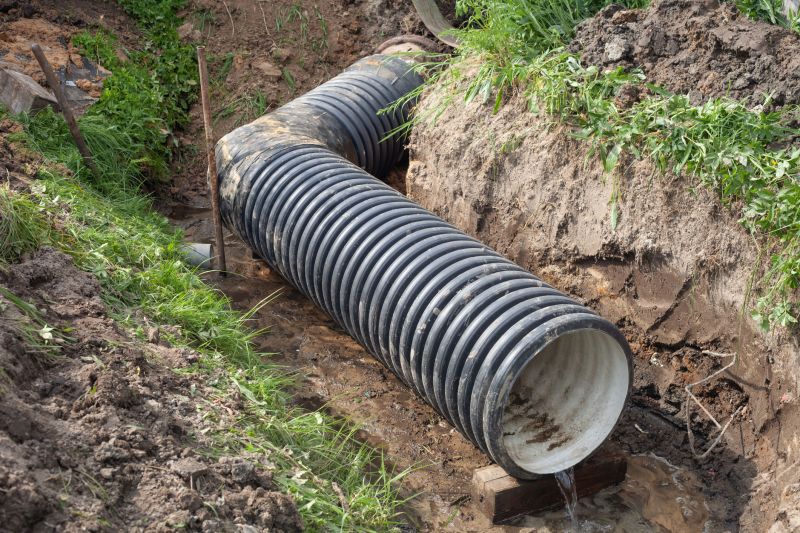

Use consistent comparison criteria across local contractors to accurately evaluate scope, experience, and written expectations.
- Scope Definition - Clearly outline the specific drainage installation tasks required for the house project.
- Experience Verification - Confirm that local contractors have relevant experience with residential drainage systems.
- Material Selection - Specify the types of pipes, fittings, and drainage components to be used in the installation.
- Work Standards - Establish expectations for installation practices, quality, and compliance with local building codes.
- Written Agreement - Ensure all project details, scope, and responsibilities are documented in a formal contract.
When comparing contractors for house drainage installation, it’s important to evaluate their experience with similar projects. Homeowners should inquire about the types of drainage systems the service providers have installed in the past and whether they have handled projects comparable in size and scope. A contractor with a proven track record of successful drainage solutions in residential settings can offer insights into what works best for different property types and soil conditions. Verifying the depth of their experience helps ensure that the chosen contractor understands the specific challenges associated with drainage installation in a home environment.
A clearly written scope of work is essential for setting expectations and avoiding misunderstandings. Homeowners should seek proposals that detail each phase of the project, including preparation, installation methods, materials to be used, and cleanup procedures. A comprehensive scope not only clarifies what is included but also helps identify potential gaps or ambiguities that could lead to issues later on. When reviewing proposals, it’s beneficial to compare how thoroughly each contractor describes their approach and whether the scope aligns with the homeowner’s specific drainage needs.
Verification basics involve confirming that contractors have the necessary experience and a solid understanding of site conditions. Homeowners can ask service providers for references or examples of completed projects similar to their own. It’s also helpful to verify that the contractor has a good understanding of local soil types, drainage challenges, and relevant installation techniques. Asking about the process of assessing the site, such as soil testing or site surveys, can provide further assurance that the contractor is equipped to handle the project effectively. Proper verification helps ensure that the chosen service provider has the foundational knowledge needed for a successful installation.
Evaluating options without focusing on prices involves assessing the quality of proposals, experience, and communication. Homeowners should look for contractors who demonstrate a clear understanding of the project scope, provide detailed written descriptions, and are transparent about their methods. Comparing how each service provider approaches the work, their level of professionalism, and their responsiveness can reveal the reliability and competence of the contractor. Taking the time to thoroughly review and compare these aspects helps homeowners make informed decisions based on the quality and suitability of the services offered, rather than cost alone.
Ensure all project details and scope are clearly outlined in writing to facilitate accurate contractor comparisons.
- Experience and Credentials - What experience do local contractors have with house drainage installation in similar properties?
- Scope of Work - How do contractors define and clarify the scope of drainage installation services they provide?
- Materials and Methods - What materials and installation techniques do service providers typically recommend for durability and effectiveness?
- Project Expectations - How do local contractors specify project details and expectations in written agreements?
- Comparison Criteria - What factors should be considered when comparing different service providers’ approaches and qualifications?
How can I compare contractors for house drainage installation? To compare local contractors, review their experience, request references, and verify their familiarity with similar projects to ensure they meet your specific needs.
What should I define in the scope of work for a drainage installation? Clearly outline the areas to be addressed, types of drainage systems, and any specific requirements to help contractors provide accurate proposals and set clear expectations.
How do I verify a contractor’s experience with drainage systems? Ask for details about previous projects, request references, and check for any relevant work samples to assess their expertise and familiarity with the type of drainage installation needed.
Why is it important to have the scope of work in writing? Having a detailed, written scope helps prevent misunderstandings, establishes clear expectations, and provides a reference for project completion and accountability.
What questions should I ask potential contractors before hiring? Inquire about their experience, methods, materials used, and how they plan to approach your project to ensure they understand your requirements and can deliver accordingly.
How can I ensure the contractor understands my drainage needs? Communicate your expectations clearly, ask for a written plan or proposal, and confirm that the scope aligns with your project goals before proceeding.
By exploring options for house drainage installation, visitors can better understand the importance of defining the scope of work, verifying the experience of local contractors, and setting clear expectations in writing. Comparing multiple service providers helps ensure that choices are well-informed and tailored to specific project needs. Utilizing the quote form provides a straightforward way to connect with local contractors who can assist with the job.
Taking the time to evaluate different service providers allows homeowners to identify experienced local contractors capable of handling drainage installation. The quote form offers an efficient method to gather information and compare options, helping to facilitate a smooth and transparent process for selecting the right professional for the project.